
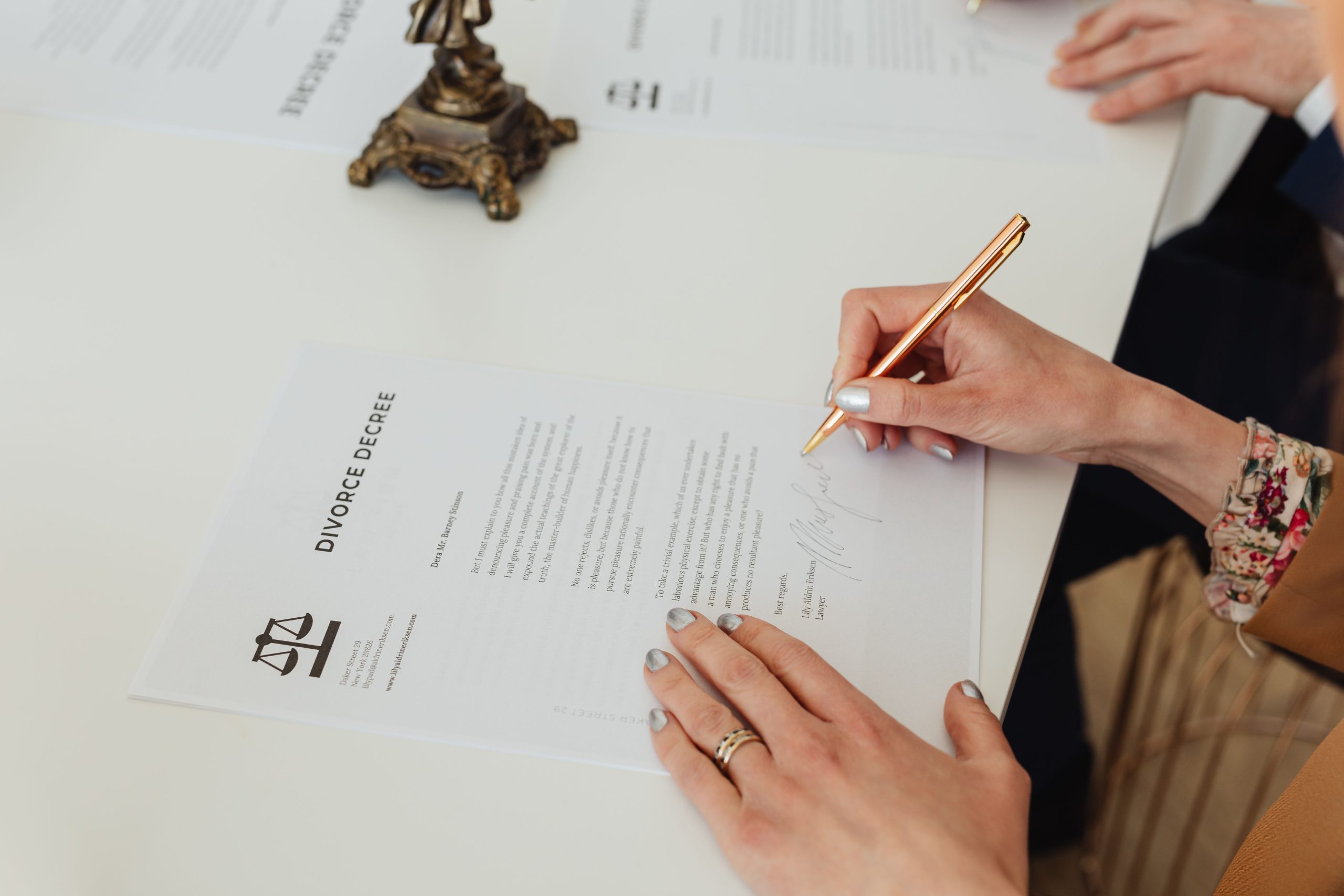
Writing down your wishes isn’t the same as creating a legally valid will. Texas law sets out specific requirements a will has to meet before a court will actually honor it, and missing even one of these requirements can mean a carefully written document doesn’t hold up when it’s needed most.
Basic Requirements for a Valid Texas Will
To create a valid will in Texas, a person generally needs to meet several core requirements. The person making the will, known as the testator, must be at least 18 years old, or qualify through marriage or military service, and must have testamentary capacity, meaning they understand generally what they own, who their natural heirs are, and the effect of signing a will. The will itself must be in writing and signed by the testator, or by someone else at the testator’s direction and in their presence. Beyond that, a standard will generally needs to be signed by two credible witnesses, each at least 14 years old, who watch the testator sign, or acknowledge an earlier signature, and then sign the document themselves.
Self-Proving Affidavits Make Probate Smoother
While not strictly required to create a valid will, a self-proving affidavit is a notarized statement signed by the testator and witnesses that can be attached to the will. Its main benefit is practical rather than legal: it can allow a will to be admitted to probate without requiring the witnesses to testify about the will’s execution later, which can meaningfully simplify the probate process for your family after you’re gone.
Holographic Wills: An Exception Worth Understanding
Texas is one of the states that recognizes holographic wills, meaning a will written entirely in the testator’s own handwriting and signed by the testator. Holographic wills don’t require witnesses the way a typewritten will does, but they still need to reflect testamentary capacity and clear intent to serve as a will. Because holographic wills skip the witness requirement, they can also be more vulnerable to challenges over authenticity or interpretation, which is one of several reasons they’re generally considered a less reliable option than a properly witnessed, attorney-drafted will.
Different Types of Wills Serve Different Purposes
Not every valid will looks the same. A standard Last Will and Testament directly distributes your property to named beneficiaries. A Pour-Over Will works alongside a living trust, directing any assets not already placed in the trust to “pour over” into it after your death. A Testamentary Trust is built directly into the will itself, creating trust terms that only take effect once the will goes through probate. Choosing the right structure as part of your broader estate planning is just as important as meeting the basic execution requirements.
Why a DIY or Template Will Can Still Fail
Even a will that looks complete on paper can run into trouble if it wasn’t executed correctly, if witness requirements weren’t properly followed, or if the language used is ambiguous or conflicts with other estate planning documents. A will that technically meets the minimum legal requirements can still create confusion or disputes if it wasn’t drafted with a full understanding of how it interacts with your other assets, beneficiary designations, and any trusts you may have in place.
What Happens If a Will Doesn’t Meet Legal Requirements
If a will is found to be invalid, whether due to improper execution, lack of testamentary capacity, or another legal defect, the court generally treats the estate as though no will existed at all. That means Texas’s intestate succession laws determine who inherits, which may not reflect what the person actually wanted, and can mean a spouse, children, or other loved ones receive very different shares than the will intended.
Why Wills Get Challenged Even When They Seem Valid
Even a will that was properly executed can still face a challenge from someone claiming the testator lacked capacity, was subject to undue influence, or that the document doesn’t reflect proper execution. Understanding the requirements for a valid will upfront, and working with an attorney to make sure they’re clearly met, is one of the best ways to reduce the risk of a future will dispute after you’re gone.
Wills Need to Be Updated as Life Changes
A will that was valid when signed doesn’t automatically stay aligned with your wishes forever. Marriage, divorce, the birth of children, the death of a named beneficiary or executor, and significant changes in assets are all common reasons to revisit and potentially update a will, rather than assuming an older document will still reflect your current intentions.
Make Sure Your Texas Will Actually Holds Up
At The Goodson Firm P.C., we help clients across Texas create wills and trusts that meet every legal requirement and actually reflect their wishes, rather than relying on generic templates that may not hold up when they’re needed. Learn more about our attorney and our approach to estate planning.